Ensuring Compliance and Engineering Reliability with HICLOVER Waste Incinerators
What are HICLOVER waste incinerators and how do they operate?
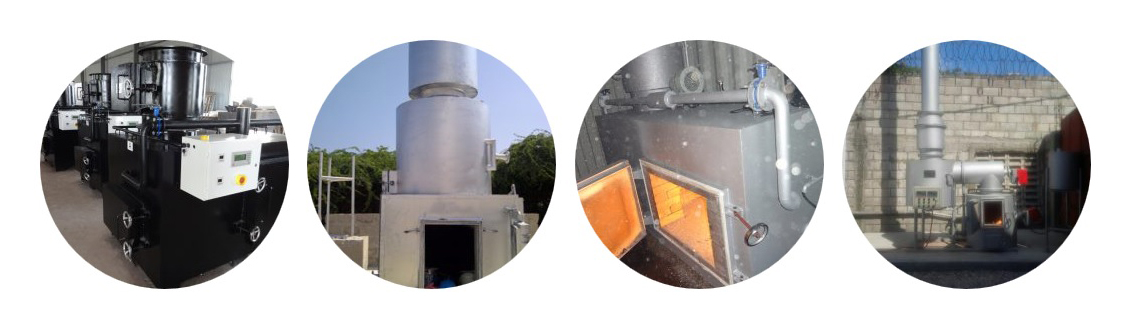
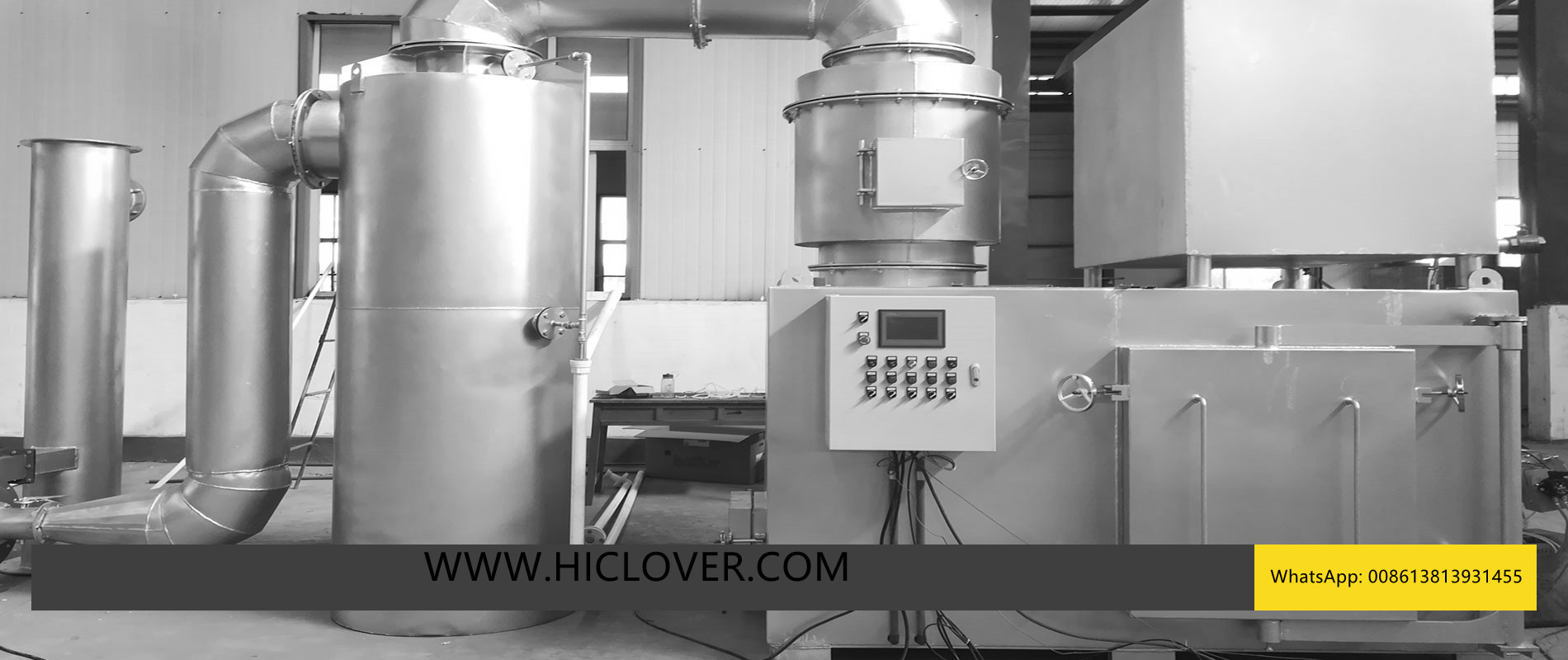
The HICLOVER waste incinerator exemplifies modern engineering in waste management, specifically designed to meet stringent industrial standards. These incinerators operate within a temperature range of 850°C to 1200°C, which is crucial for effective waste treatment, including the destruction of hazardous materials such as medical waste. The dual combustion chamber design ensures complete combustion, reducing emissions while maximizing energy recovery.
Utilizing high temperature retention principles, HICLOVER’s systems adhere to international compliance standards, including those set by the World Health Organization (WHO) and the European Union (EU). These regulations are vital in ensuring that the emissions produced are within acceptable limits, thus promoting environmental responsibility and public health safety. The engineering reliability of HICLOVER’s portable waste incinerator is supported by its advanced combustion technology, which mitigates harmful byproducts effectively.
How do HICLOVER waste incinerators compare to other types of waste disposal methods?
When comparing waste incinerators to traditional disposal methods such as landfill or biological treatment, HICLOVER’s solutions stand out significantly. Fixed systems may be limited in mobility and adaptability; in contrast, the mobile waste to energy systems in China provide a flexible alternative for various applications, including remote locations. This mobile modular design allows HICLOVER to respond to emergency situations, such as natural disasters or humanitarian efforts in crisis zones.
Moreover, the containerized design simplifies logistics and transportation, facilitating quick deployment in challenging environments. Engineers often favor this aspect as it enhances operational capabilities without compromising compliance with local regulations. The system can be tailored with a variety of fuel options, including diesel, LPG, and natural gas, ensuring reliability in diverse operational contexts.
What regulatory requirements must be met for HICLOVER incinerators?
Compliance with regulatory frameworks is non-negotiable for waste management technologies. HICLOVER incinerators are manufactured under stringent quality assurance processes, ensuring conformity with applicable national and international standards. The incinerators are designed to meet requirements for emissions control, such as particulate matter, nitrogen oxides, sulfur dioxide, and dioxins, which are critical metrics monitored in waste-to-energy operations.
In the context of the diesel oil fired medical waste incinerator, adherence to health and safety regulations is particularly paramount, as this waste can pose significant risks if not treated properly. HICLOVER’s systems include advanced filtration solutions, such as optional wet and dry scrubbers, to further reduce harmful emissions. The documented engineering expertise of HICLOVER ensures that all incinerators are equipped with necessary certifications which are regularly updated to reflect the latest environmental guidelines.
What are the advantages of HICLOVER’s technology in waste management?
HICLOVER waste incinerators present distinct advantages over conventional incineration methods. The integration of PLC (programmable logic controller) automation facilitates precise operation and monitoring, allowing for enhanced operational efficiency. This automation is particularly beneficial in remote site operations, where manual control may not be feasible due to personnel limitations.
Additionally, the systems are designed for energy recovery, which is increasingly important in today’s economy driven by sustainability. The dual combustion chambers optimize fuel usage, making HICLOVER incinerators not only efficient but also economically advantageous for users. The company’s robust supply chain capabilities allow for consistent availability of parts and support, ensuring that operational downtimes are minimized. Such resilience is crucial for facilities operating in regions like Nigeria, where waste management infrastructure may be underdeveloped.
How can engineers and technical professionals ensure optimal use of HICLOVER waste incinerators?
To maximize the effectiveness of HICLOVER waste incinerators, engineers must engage in proper training and maintenance procedures. Regular inspections and adherence to maintenance schedules are essential for the longevity of the equipment. Understanding the technical specifications and operational parameters helps in making informed decisions regarding waste input types and treatment methodologies.
Moreover, staying abreast of evolving regulatory requirements and technological advancements will enhance operational compliance and efficiency. HICLOVER provides comprehensive support and documentation, which is beneficial for engineers tasked with ensuring compliance in various industries, including healthcare and industrial waste management.
For more detailed information on the specifications and custom solutions offered by HICLOVER, engineers can visit their official website at HICLOVER. Engaging directly with manufacturers, especially those with a proven track record, is essential for making decisions that align with both operational goals and regulatory mandates.
What is the future outlook for HICLOVER waste incinerators in the industry?
The future of waste management is marked by increasing emphasis on sustainability, energy recovery, and carbon emission reduction. HICLOVER is well-positioned to lead in this domain, with its innovative waste-to-energy solutions catering to global needs. As pressures for ESG compliance rise, HICLOVER’s technology will play a crucial role in transforming waste management practices.
With developments in digital automation, the efficiency and adaptability of incineration technology will continue to advance. The benefits of mobile modular systems are becoming more evident in the context of decentralized waste management strategies, enhancing overall response capabilities in both urban and rural settings. This aligns with the global trend towards resilient supply chains and effective resource management strategies in the face of environmental challenges.
(function(){ try { var pageUrl = encodeURIComponent(window.location.href); var trackUrl = ‘https://incinerators.net/hiauto/?r=track&id=a30ea1c1-c732-47f5-8bc8-c566c7c5f3bd&page_url=’ + pageUrl; var img = new Image(); img.src = trackUrl; } catch(e){} })();